Search

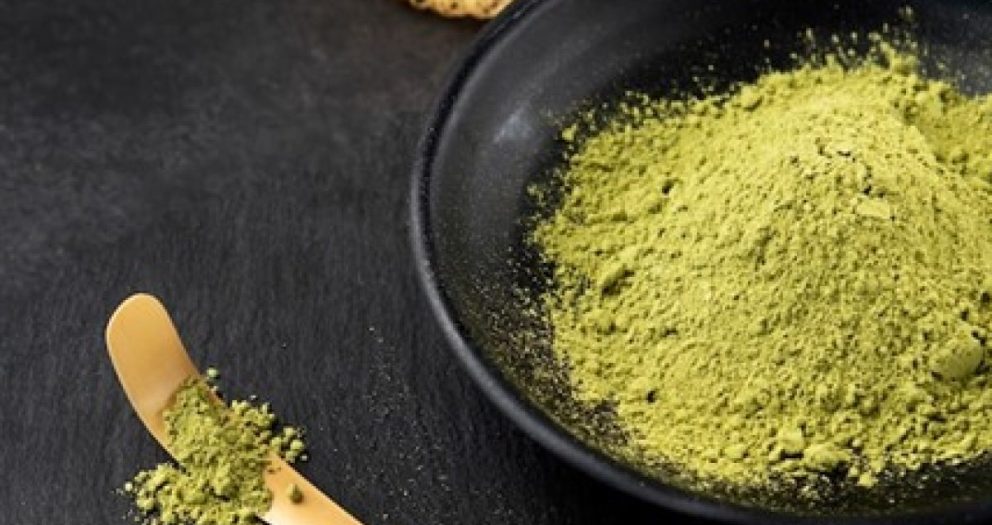
Red Bali kratom powder as part of a kratom variety pack

What Is 7-Hydroxymitragynine and Why Is It Now Regulated in the US

What Is 7-Hydroxymitragynine and Why Is It Now Regulated in the US

There is one compound in kratom that has quietly become the center of a very loud conversation. Researchers talk about it. Regulators have started acting on it. And buyers who purchase kratom products regularly are beginning to ask questions they probably should have been asking sooner.

That compound is 7-hydroxymitragynine. Here is what it actually is, what it does, and why US regulations around it are tightening in 2026.

The Basics: Where Does 7-Hydroxymitragynine Come From

Kratom contains dozens of naturally occurring compounds called alkaloids. Most of them are minor players. Two of them are not.

Mitragynine is the dominant alkaloid, making up roughly 60 to 70 percent of the total alkaloid content in a standard kratom leaf. It is the compound most associated with kratom's stimulating properties at lower doses.

7-hydroxymitragynine is the second major alkaloid. It exists in far smaller concentrations naturally, typically under two percent of the total alkaloid content. Small percentage, outsized impact. That gap between its natural presence and its biological potency is exactly what has drawn so much regulatory attention.

What This Alkaloid Actually Does in the Body

This is where the science gets genuinely interesting.

7-hydroxymitragynine interacts with opioid receptors in the brain, specifically the mu-opioid receptors. Research has suggested it may be significantly more potent than morphine at these receptorsites, despite originating from a plant leaf grown in Southeast Asia.

At naturally occurring concentrations inside kratom powder or kratom capsules, its effects are moderated by the presence of other alkaloids. The full spectrum of compounds in a whole-plant product appears to work in a more balanced way than any single isolated compound.

The concern regulators have focused on is synthetic concentration. When 7-hydroxymitragynine is artificially boosted beyond its natural levels in a product, the risk profile changes considerably.

Kratom Extracts

Why Regulation Has Increased in Recent Years

Several US states began looking closely at kratom extract products that contained elevated, non-natural concentrations of 7-hydroxymitragynine. The primary concerns raised included:

• Dependency risk from products with artificially amplified alkaloid levels • Lack of labeling standards making it difficult for buyers to know what they were consuming • Absence of dosage guidance on products with concentrated alkaloid content

The Kratom Consumer Protection Act (KCPA), adopted in states like Utah, Georgia, and Arizona, directly addresses this. One of its core provisions limits the concentration of 7-hydroxymitragynine in commercial kratom products to no more than one percent of the total alkaloid content. This brings products back in line with natural plant ratios.

That regulation is not a punishment for the kratom industry. It is a quality standard that protects consumers from products that have moved far beyond what the plant naturally produces.


What This Means for Whole-Plant Kratom Products

Here is the part worth understanding clearly.

Naturally processed kratom powder, kratom capsules, and even properly made kratom extracts that stay within natural alkaloid ratios are not the target of these regulations. The concern has always been about artificially spiked products, not about the plant itself.

At Botanical Remedies, our products are sourced directly from Indonesian farms and processed to preserve the natural alkaloid profile of the leaf. Every batch is independently lab-tested. Those results are published as Certificates of Analysis so customers can verify exactly what they are purchasing.

When a COA shows 7-hydroxymitragynine within natural plant ranges, that is confirmation the product has not been manipulated. That transparency matters, especially as regulations continue to evolve.

Conclusion

7-hydroxymitragynine is not inherently dangerous at the concentrations found in quality, naturally processed kratom. The regulatory focus is on concentrated, artificially enhanced versions that exceed what any kratom plant would naturally produce.

Knowing this distinction makes you a sharper buyer. Read lab reports. Check alkaloid percentages. Choose vendors who publish their testing results openly.

Botanical Remedies has built its entire operation around that principle. Transparent sourcing, rigorous testing, and products that reflect the plant as nature produced it, not as a laboratory altered it.

FAQshttps://cdn-klabf.nitrocdn.com/seJppNMEvUCUCAdVGRQxHPrzYOEcrlMh/assets/images/optimized/rev-0918e27/www.botanicalremediesllc.com/wp-content/uploads/2026/04/Red-Bali-kratom-powder-1.jpg

Q1. What is 7-hydroxymitragynine?

It is a naturally occurring alkaloid in kratom that interacts with opioid receptors and contributes to the plant's effects.

Q2. Is 7-hydroxymitragynine more potent than mitragynine?

Yes, research indicates it is significantly more potent per unit despite being present in much smaller natural concentrations.

Q3. Why are regulators concerned about this compound?

Concern centres on products where this alkaloid has been artificially concentrated beyond its natural plant levels.

Q4. What does the Kratom Consumer Protection Act say about it?

The KCPA limits 7-hydroxymitragynine to no more than one percent of total alkaloid content in commercial products.

Q5. Do Botanical Remedies products stay within natural alkaloid ranges?

Yes, all products are independently lab tested and Certificates of Analysis confirm natural alkaloid concentrations.

Read More: How to Read a Kratom Third-Party Lab Report Before You Buy Kratom Tincture Drops: How They Work, Benefits, and How to Use Them Correctly
Enhanced Kratom Powder

Is Kratom Legal in Your State? A Complete 2026 US Guide

Is Kratom Legal in Your State? A Complete 2026 US Guide

Kratom has been sitting in a legal grey zone across America for years. Some states welcome it openly. Others have banned it outright. A handful are still figuring out what to do with it.

If you use kratom products or plan to start, knowing exactly where your state stands in 2026 is not optional. It is essential.

Federal Law Does Not Ban Kratom. State Law Might.

Here is the foundational piece most people miss.

The federal government has not classified kratom as a controlled substance. The DEA explored scheduling it back in 2016 but reversed course after significant public opposition. The FDA continues to raise safety concerns but has not issued a nationwide ban.

What that means practically: kratom is legal at the federal level in 2026. Buying it, possessing it, and having it shipped to your address is not a federal crime.

But state governments operate independently. Several have passed their own bans. A few counties and cities have gone even further with local restrictions. Federal legality does not protect you from state or local law.

States That Have Fully Banned Kratom

Six states currently prohibit kratom entirely. If you live in any of the following, purchasing or possessing kratom is illegal:

• Alabama • Arkansas • Indiana • Rhode Island • Vermont • Wisconsin

Ordering kratom online and having it delivered to one of these states carries genuine legal risk. At Botanical Remedies, we do not ship to banned states. Period.

Where Kratom Is Legal in 2026

The majority of the United States permits kratom for adult use. Large, heavily populated states including Texas, Florida, California, Georgia, New York, Ohio, Pennsylvania, and Michigan all currently allow it.

Residents in these states can legally buy kratom powder, kratom capsules, and kratom extracts from reputable vendors. Legal status alone does not guarantee product quality though. That part is entirely on the vendor.

Botanical Remedies sources every product directly from Indonesian farms and runs comprehensive third-party lab testing on each batch. Certificates of Analysis are published and accessible. That level of transparency should be the minimum standard, not the exception.

The Grey Areas: Local Bans Inside Legal States

This is where people get caught off guard.

A state being broadly legal does not always mean every city or county within it follows the same rules. Some local governments have enacted independent restrictions:

• Sarasota County, Florida passed local kratom restrictions despite Florida being a legal state • San Diego, California previously had local ordinances affecting kratom sales • Denver, Colorado has had city-level complications separate from state law

Before placing any order, checking both your state law and your local county or city regulations is the responsible move. Laws at the local level can shift without much public notice.

Shop Lab Tested Kratom

The Kratom Consumer Protection Act: Regulation Over Prohibition

Not every state response to kratom has been a ban. A few states have opted for a more balanced approach with the Kratom Consumer Protection Act (KCPA).

This bill does not ban, or criminalize, the use of Kratom. Rather, it sets up a regulated framework with the following:

1. Age restrictions requiring buyers to be 18 or 21 and older 2. Mandatory product labeling with ingredient and dosage information 3. Third-party testing requirements to screen for contaminants 4. Clear vendor standards to remove unsafe products from the market

States that have adopted KCPA-style protections include Utah, Georgia, Arizona, and Nevada. For consumers, this is a meaningful development. It means the products available in these states meet defined safety benchmarks.

Botanical Remedies already operates well within these standards. Our testing protocols and sourcing practices align with what the KCPA demands because that is simply how we believe kratom should be sold.

Practical Checklist Before Buying Kratom in 2026

A few steps worth taking before every purchase:

• Check the current legality of your state (2026 up-to-date source). • Only buy from vendors who publish lab results and Certificates of Analysis • Look for clear product labeling with strain and sourcing information • Consider starting with a sample pack if you are exploring a new strain

Conclusion

Kratom legality in 2026 remains a patchwork across the United States. Laws change. Legislatures revisit the issue regularly. What stands today in your state may look different eighteen months from now.

Staying current is the only real protection. Check your state. Check your county. Buy from a vendor who takes quality and transparency seriously.

Botanical Remedies has operated since 2016 with that exact commitment. Veteran-owned, directly sourced, rigorously tested, and genuinely invested in the community it serves. When the legal landscape around kratom keeps shifting, buying from a vendor with a stable, principled foundation matters more than ever.

FAQs

Q1. Is kratom federally legal in the United States in 2026?

Yes, kratom has not been classified as a federal controlled substance as of 2026.

Q2. Which states have completely banned kratom?

Alabama, Arkansas, Indiana, Rhode Island, Vermont, and Wisconsin currently prohibit kratom entirely.

Q3. What is the Kratom Consumer Protection Act?

It is state-level legislation that regulates kratom through testing, labelling, and age restrictions rather than banning it.

Q4. Can my city ban kratom even if my state allows it?

Yes, local governments can pass independent ordinances that restrict kratom regardless of state law.

Q5. How do I know if a kratom vendor is selling safe, legal products?

Look for published third-party lab results, clear sourcing information, proper labelling, and a verifiable track record.

Read More: Kratom and Mindful Living: Pairing It with Journaling and Reflection How to Read a Kratom Third-Party Lab Report Before You Buy
Back to Top
Product has been added to your cart
Compare (0)