

Does Kratom Origin Matter? Understanding Indonesia, Thailand, Malaysia and Other Regional Names
Walk through any kratom product listing and you will see geographic names attached to almost every strain. Thai, Malay, Borneo, Sumatra, Bali, Kalimantan. These names imply that the product comes from a specific location, and in the kratom community, many buyers assume that origin is directly tied to the properties of the leaf. The relationship between geography and kratom characteristics is real but more complicated than a label alone can communicate.
Where Kratom Actually Grows
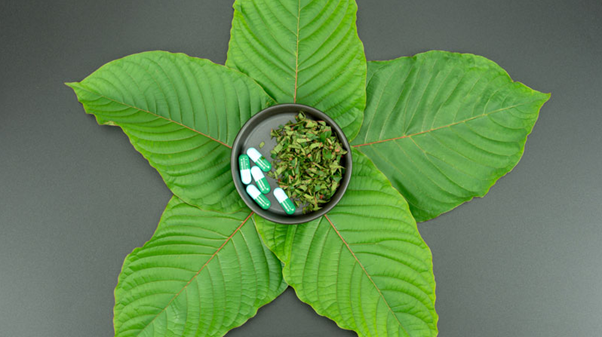
Mitragyna speciosa is a tropical evergreen tree that belongs to the Rubiaceae family, the same botanical family as the coffee plant. It grows naturally across equatorial Southeast Asia in humid, high-rainfall environments near rivers and forests. The tree can reach up to 25 metres (about 82 feet) in height, and its leaves have been used for centuries across the region.
Thailand has the deepest documented history with this plant. Thai laborers historically chewed fresh kratom leaves to increase stamina, tolerate heat, and reduce fatigue during long working days. Kratom was also used in Thailand as a snack offered to guests and as part of ritual worship, reflecting a cultural role that extended well beyond its practical agricultural use. This traditional practice is well-established in ethnobotanical research. Despite that history, Thailand banned the planting of new kratom trees in 1943, in part to protect the government’s control of the opium market. The country began reversing that position in 2018, when it became the first Southeast Asian country to legalize kratom for medical purposes. In 2021, Thailand completed the process by fully legalizing kratom, removing it from the narcotics list entirely and granting amnesty to more than 12,000 people who had been convicted under the previous law.
Indonesia has become the dominant commercial source for virtually all kratom exported to the United States and Europe. Malaysia and Vietnam also have documented cultivation, though export from those regions involves more regulatory complexity. Most of what reaches American consumers, regardless of the regional name on the label, originates from Indonesian farms.
When a buyer sees “Green Thai” on a label, the name refers to the Thai-lineage variety of Mitragyna speciosa. That variety has a genuinely Thai origin and a documented history in southern Thailand. The “Thai” in the name is historically accurate at the level of lineage and botanical identity. What has changed is where these varieties are now commercially cultivated. Because Indonesia restored legal commercial kratom farming long before Thailand did, Thai-named strains are today grown on Indonesian farms. The regional name identifies the genetic and historical origin of the variety, not necessarily the current growing location.
When Regional Names Reflect Real Differences
Geographic and variety names in kratom are not entirely arbitrary. The naming convention used globally combines two pieces of information: the vein color of the harvested leaf, and the historical or regional origin of the variety. “Green Thai” therefore means a green vein leaf of Thai lineage. Research on kratom strain nomenclature confirms this as the standard naming structure across the industry. Different varieties of Mitragyna speciosa have developed distinct alkaloid profiles based on where they originated and how those tree populations evolved over centuries. A Green Thai Kratom Powder and a Green Malay Kratom Powder are not interchangeable. Thai-lineage kratom is generally associated with a more forward alkaloid profile, while Malay-lineage leaf is often noted for its broader and more sustained character. Research on seasonal and geographic alkaloid variation in Mitragyna speciosa confirms that origin has a measurable influence on the chemical composition of the leaf.
Similarly, Red Bali Kratom Powder has a reputation that differs from Red Sumatra Kratom Powder, even though both are red vein varieties and both are grown in Indonesia. The distinctions come from the specific varieties being used and how the leaf is processed and dried.

When Regional Names Are Used Loosely
The problem arises when regional names are assigned to products based on marketing convention rather than any documented lineage. A vendor who labels a product “Bali” without sourcing from Bali-origin trees or a related genetic stock is using the name as a category convention. This is common enough in the kratom market that buyers who assume a strict geographic correspondence between name and source will sometimes be disappointed.
The most reliable vendors are those who document their sourcing with specificity. At Botanical Remedies, kratom leaf is sourced directly from farms in Indonesia, with the quality and origin of each batch confirmed through identity testing before sale. As detailed on the quality page, species, strain, and origin confirmation is the first step in the batch review process.
How Drying and Processing Interact With Regional Character
One factor that is often left out of the regional discussion is post-harvest processing. The way kratom leaf is dried after harvest has a documented influence on the finished alkaloid profile, sometimes as much as the regional origin itself. Outdoor sun drying, indoor shade drying, and fermentation-based processing all produce different results from the same raw leaf material.
Red vein kratom, for example, is not simply leaf with red veins. Red products are often the result of a specific drying protocol applied to mature green vein leaf, which shifts the alkaloid composition over time. This means that a Red Sumatra and a Red Bali may differ not only because of their regional origins but also because of how each was processed. The regional name captures only part of the story.
What This Means When You Are Comparing Products
When shopping across regional names, a few things are worth keeping in mind. The name itself is a starting point, not a complete description. The vein color (red, green, white) is a more reliable signal of the leaf’s developmental stage and processing method. The vendor’s documentation, including batch numbers and certificates of analysis, is more informative than the geographic label alone.
Buyers who are trying to identify which regional varieties suit them tend to have the most success when they work with vendors whose sourcing is transparent and whose products are consistently tested. A name on a label is the beginning of the research process, not the end of it. The combination of regional lineage, vein color, drying method, and documented testing gives a far more complete picture than any geographic label can offer on its own.


Write a comment
Your email address will not be published. All fields are required