

Many individuals in the busy world today are seeking kinder methods of taking care of their brains. Stress at work, information overload, and day-to-day concerns are forcing individuals to seek natural remedies. Kratom is one of them that has drawn the attention of many. It is not new, and its shift to mainstream wellness communities shows how people still fail to find a proper balance with plants. To find out the reason behind kratom being such a hot-button topic in the mental health discussion, it is possible to trace its roots and the role it has played in the contemporary world.
Roots of Kratom: From Tradition to Today
Kratom has an extended history in Southeast Asia. Communities have been utilising the leaves in their everyday activities since time immemorial. Workers and farm owners chewed the leaves to provide constant energy on the long days in the fields. Some of them also used it in tea to relax the body and mind after a tough day.
This natural leaf was not seen as a luxury but as a helper for balance. It carried cultural meaning, showing respect for the land and its gifts. Over time, as global trade and travel expanded, kratom moved beyond its local roots. What started in villages became known worldwide, finding a new role in wellness routines.
Why People Seek Natural Alternatives
Life in the modern world is stressful. Most of them are exhausted, nervous, or mentally exhausted. There are usually more conventional solutions, and some seek solutions that would be more natural and closer to the earth. Here come plants such as kratom.
People are drawn to natural remedies for many reasons. Some feel that plant-based options offer a sense of control and harmony. Others do not want to experience severe side effects that are associated with the more effective treatments. This desire has become so widespread that the trend of increasing the use of herbal teas, supplements, and natural oils has increased. Kratom fits neatly into this movement, standing alongside other natural choices that people turn to for support.
The Rise of Kratom in Mental Health Conversations
Within the last 20 years, kratom has become a household name rather than an unheard-of herb. A lot of this was done by word of mouth and online communities. Individuals narrated about their experiences, and in many cases, how it made them feel relaxed, more focused, or balanced.
There was an increase in wellness blogs, podcasts, and forums discussing kratom. It did not gain a good reputation by doing big adverts, but by people sharing their stories. This change reflects the strength of experience in defining what is trusted. Today, when speaking about these alternative medicines, people often mention kratom when they talk about green tea, ashwagandha, and chamomile.
Potential Benefits People Associate with Kratom
Users of kratom tend to refer to it as what it makes them feel. Others claim that it makes them unwind at the end of the day. Other people say it makes them more focused and motivated when they are in a madhouse. Some mention mood support and state that it makes them feel calm or more balanced.
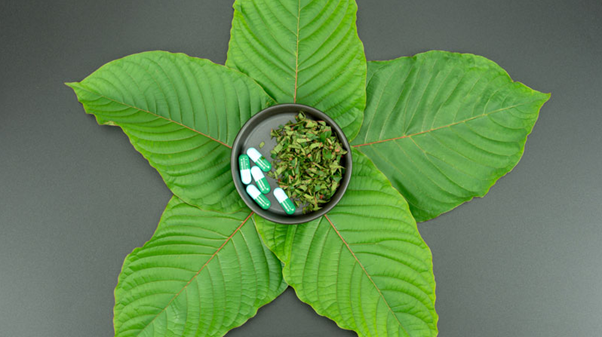
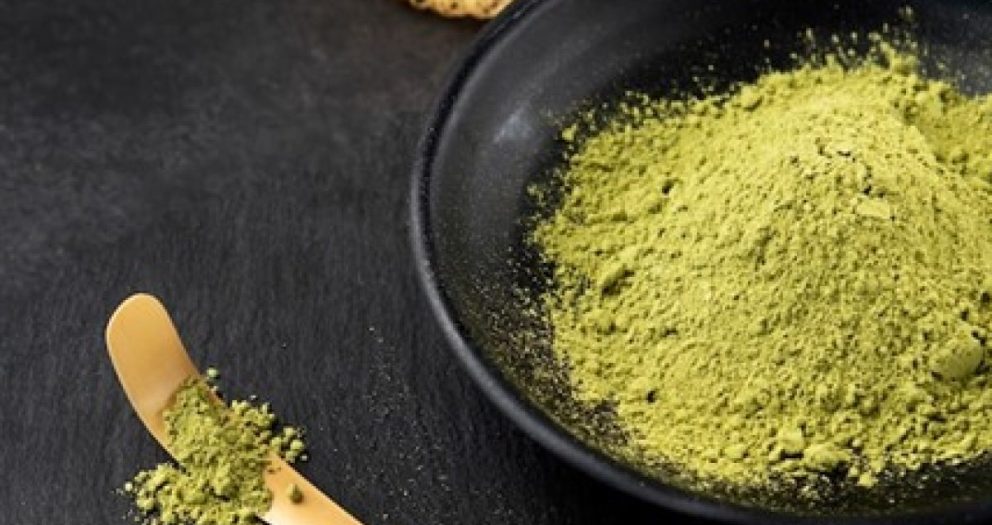
These narratives do not substitute for any scientific studies, but they illustrate the role that kratom plays in most lives. The presence of different strains and forms, such as powder, capsules, and tea leaves, presents individuals with choices to consider. The fact that so many revert to it is an indicator that its wellness value is not a fad.
Balancing Curiosity with Responsibility
Curiosity must go hand in hand with caution, as with any natural product. Safety and quality are important things to consider among those people who are interested in kratom. Lab testing and clear sourcing are related to the fact that not all products are the same. A plant can grow naturally, but the way it is harvested, processed, and packed will determine the purity of the plant.
Research is another significant thing. As many individuals have positive stories, science is still lagging in discovering all the effects of kratom. It implies that individuals ought to be conscious, educated, and accountable in the manner in which they perceive and consume it. Good inquisitiveness can keep the balance and safety within the focus.
Quick Takeaways on Kratom and Mental Health
- Kratom has deep cultural roots in Southeast Asia.
- Many people today turn to it as a natural option for stress and mood.
- Shared experiences played a big role in its rising popularity.
- Quality and responsible sourcing are important for safe use.
- Research continues, showing that curiosity should be paired with care.
Conclusion
The story of Kratom demonstrates how a humble leaf can move through village fields to the wellness discussion of the modern world. The story of its evolution is the quest of humans to find natural methods of dealing with stress and mental health. Although research is in its early developmental stages, it is clear that it is becoming a common part of communities, implying that it is here to remain. To make your own appropriate decisions, Botanical Remedies can provide you with information and quality products to research natural solutions and find the best options. Get connected to the community and learn how nature can contribute to your balance.



Write a comment
Your email address will not be published. All fields are required