

A kratom label is small, but it carries a lot of information. Read carefully, it tells you what the product is, how much you are getting, where it came from and how to trace it back to lab results. Read carelessly, it can leave you buying something very different from what you expected. This guide walks through each part of a typical kratom label and explains what to look for.
1. Product Name and Strain
The product name should identify the strain or blend, such as Green Malay or Red Bali, and the form: powder, capsules or extract. Be wary of names that emphasize potency or 7-OH over the plant itself. Strain names are trade names based on vein color and region rather than separate species, and our guide to the different varieties of kratom strains explains how they are grouped.
2. Ingredients
A natural kratom powder should list one ingredient: Mitragyna speciosa leaf. Capsules should also state the capsule shell material. Extract products should say that they contain leaf extract and, ideally, give the alkaloid concentration. Isolated alkaloids, 7-OH, “proprietary blends” or unfamiliar additives deserve closer scrutiny, since concentrated 7-OH products are now the focus of federal and state enforcement.
3. Net Weight and Count
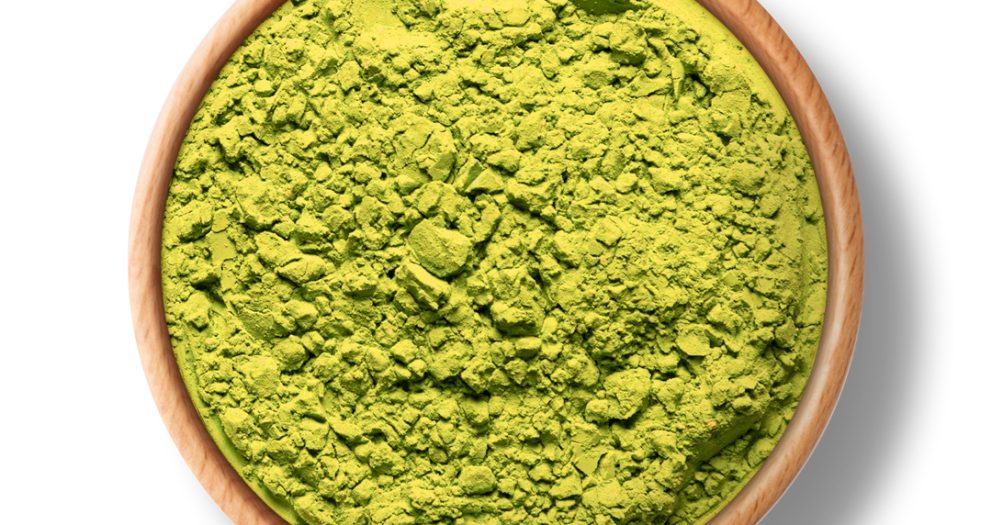
Net weight tells you how much kratom is in the package, not including packaging. Many labels show both grams and ounces. For reference, one ounce equals about 28.35 grams, so a “28 g (1 oz)” label is a rounded figure. Our Green Malay Kratom Powder, for example, is offered in several sizes, starting at 28 grams. For capsules, look for both the number of capsules and the amount of kratom in each, which lets you compare value across products.
4. Batch or Lot Number
The batch or lot number is one of the most important details on the label. It links your package to a specific production run and, with a good vendor, to a specific certificate of analysis. Keep it until the product is finished. Many labels also carry a packing date or a best-by date, which helps you judge freshness.
5. Alkaloid Content
Some states now require alkaloid disclosure. Utah’s consumer protection law requires labels to state mitragynine and 7-OH content, and North Dakota’s 2026 law requires labels to show levels measured by accredited labs. Where alkaloid content is not printed, the batch COA should provide it. On our lab tests (COAs) page you can view results for our products.
6. Directions, Serving Size and Warnings
Responsible labels include suggested use, a serving size and clear warnings. Common warnings cover age limits, pregnancy and nursing, driving or operating machinery, and combining kratom with other substances. Rhode Island’s 2026 law goes further, with required health warnings, child-resistant packaging and a cap of 150 mg of mitragynine per serving. A label should also avoid medical claims, because the FDA has not approved kratom for any medical use.
7. Seller Details and Storage
Look for the name and contact details of the manufacturer or distributor, so you know who stands behind the product. Storage instructions, such as keeping the product in a cool, dry place away from light, help protect freshness. Our guide on how to store kratom powder to maintain potency after purchase covers this in more detail.
Label Red Flags
- No batch or lot number.
- No ingredient list, or a “proprietary blend” with no details.
- Claims to treat, cure or prevent any condition.
- Promises of a specific 7-OH dose, or 7-OH marketing on the front.
- No seller name or contact information.
- No age warning.
Putting It Together
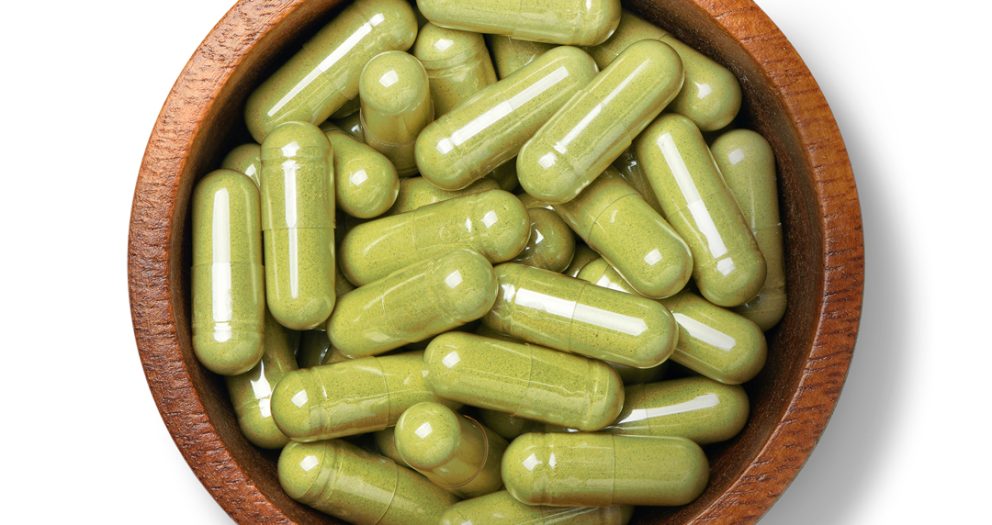
A good label and a matching COA work as a pair: the label tells you what the seller says is inside, and the COA confirms it. Botanical Remedies packages orders in airtight, resealable packaging, and our quality page explains how each batch is tested before release. When you are ready, browse our kratom powder and kratom capsules.
Frequently Asked Questions
Where is the batch number on a kratom label?
It is usually printed or stamped near the net weight or on the back of the package, often next to a date.
Should the label list alkaloid content?
Some states require it. Where it is missing, check the batch COA.
Is “28 g” the same as one ounce?
Close, but not exact. One ounce is about 28.35 grams, so labels often round.
This article is for general information only and is not legal or medical advice.

Write a comment
Your email address will not be published. All fields are required