

In our contemporary wellness landscape, kratom has emerged as a botanical phenomenon, capturing global attention due to its dualistic outcomes—acting as a stimulant in small doses and as a sedative when taken in larger amounts. Harvested from the verdant forests of Southeast Asia, this plant has precipitated widespread discourse regarding its implications in the realm of dependency management. As natural remedies gain favor over conventional methods for managing various conditions, kratom’s profile continues to rise, leading to both scientific research and personal reviews.
Understanding Kratom: A Natural Wonder with Psychoactive Properties
What is Kratom?
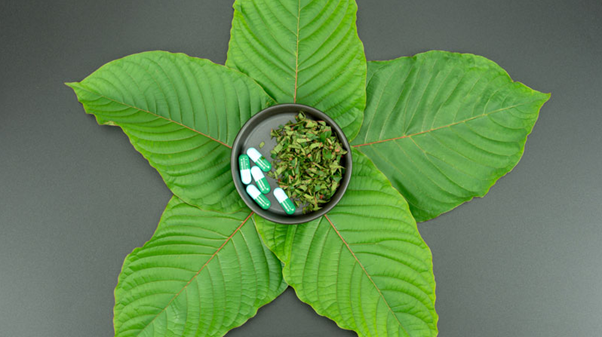
Known scientifically as Mitragyna speciosa, this tropical tree is admired for its unique leaves. Indigenous communities have historically utilized these leaves, either by chewing them or brewing them in tea, getting compounds like mitragynine and 7-hydroxymitragynine, which exert pronounced effects on human physiology. This herb has become a focal point in discussions on alternative health practices globally.
The Psychoactive Compounds in Kratom
These key compounds interact with opioid receptors in the brain, causing relaxation, enhanced mood, and a decrease in discomfort, which closely resembles the effects of certain other botanicals. The interaction with these receptors is nuanced, creating an effect profile that is unique to kratom. This has sparked a complex conversation about its safety and efficacy as an herbal remedy.

The Attraction to Kratom: Why People Use It
Medicinal Uses
A significant appeal of kratom lies in its capabilities to reduce discomfort and elevate mood, presenting a botanical alternative for symptom management. It also helps reduce addiction to more harmful substances, providing a bridge to managing addiction.
Recreational Use
Kratom’s potential to induce euphoria has not gone unnoticed in the recreational sphere. Its ability to bolster energy levels and enhance general well-being has fostered a growing community of users who appreciate its natural origin and purported safety compared to synthetic agents.
Kratom and Addiction: A Double-Edged Sword
The Potential for Dependency
Though beneficial, kratom is not devoid of risks. Its regular use over prolonged periods can lead to addiction, and stopping it can cause withdrawal symptoms that, while generally milder, echo those associated with other substance dependencies.
Comparisons with Other Dependencies
Kratom’s dependency potential, while less severe compared to conventional narcotics, nonetheless presents a risk that requires careful use. Its milder dependency profile necessitates an informed and balanced handling to prevent addiction.
Navigating the Risks: Responsible Use and Harm Reduction
Guidelines for Responsible Kratom Use
Avoiding the pitfalls of addiction involves adherence to recommended usage protocols and treating kratom with respect due to its potent botanical. Educative initiatives regarding appropriate dosages and usage patterns are vital in reducing adverse effects.
The Role of Regulation and Quality Control
The integrity of kratom products is upheld through strict testing and ethical sourcing. Such practices are critical in minimizing health risks and ensuring safe access for users, emphasizing the need for transparency and education in its distribution.
Conclusion
Understanding kratom’s dual role in both potential therapeutic uses and addiction risks is crucial. Individuals interested in this natural alternative must navigate its possibilities with discernment and careful management of its use. At Botanical Remedies, our dedication lies in providing a trusted source of kratom, rigorously tested for purity and potency. We equip our customers with comprehensive knowledge to ensure kratom is utilized in a safe and beneficial manner. Every purchase also contributes to our ongoing support for veteran communities, reinforcing our commitment to responsible practices and the betterment of society. Explore the responsible use of kratom with us, where informed choices lead to positive outcomes.
Read More:
How to Use Kratom for a Productive Day: Dosage and Timing Tips



Write a comment
Your email address will not be published. All fields are required