

The world of natural remedies constantly evolves, bringing forth fascinating substances. Kratom stands out as an excellent example. This tropical tree has scintillated significant interest due to its alleged medicinal belongings. But it has some possible side effects too. One area of emphasis is how Kratom interacts with our cognitive abilities. Join us as we journey into understanding the multifaceted relationship between Kratom and cognition.

A Glimpse into Kratom
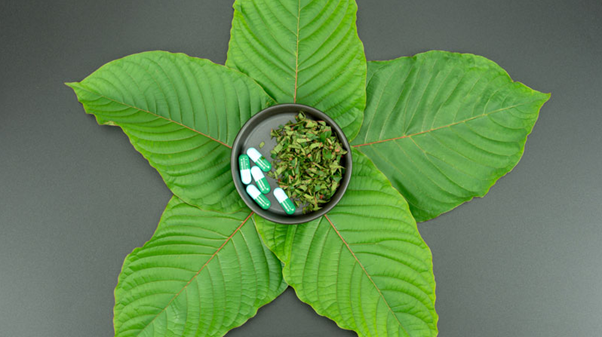
Originating from the dense rainforests of countries like Thailand and Malaysia, the Mitragyna speciosa, or as it’s popularly known, Kratom is no ordinary tree.
Its leaves house unique compounds, which, when ingested, can alter the mind in diverse ways. For generations, the local inhabitants have utilized Kratom for pain relief, mood enhancement, and even to combat opioid dependency.
Potential Cognitive Benefits
Mood Elevation: Kratom’s popularity, in part, stems from its reputed ability to lift one’s spirits. Many users describe a sense of euphoria, increased happiness, and a generally uplifted mood after its intake.
Increased Focus: Interestingly, certain Kratom strains enhance concentration. As per individual accounts, Kratom could prove beneficial for tasks that demand a laser-sharp focus.
Reduction in Anxiety: Another alluring aspect of Kratom is its potential anxiolytic properties. Numerous users have attested to its calming effects, providing relief from anxiety and related stressors.
The Flip Side: Possible Negative Impacts
But like any substance, Kratom isn’t without its controversies.
Memory Impairment: While definitive research remains scanty, there’s growing chatter suggesting that excessive and prolonged Kratom usage might hinder short-term memory.
Dependence and Tolerance: A significant concern is the body’s adaptability to Kratom over time. Prolonged usage could mean developing resilience, necessitating larger doses for the same effects, consequently increasing the risk of adverse side effects.
Potential for Cognitive Clouding: It’s not uncommon for certain Kratom users to describe their minds as ‘hazy’ or having compromised clarity post-consumption, particularly with heftier doses.
The Need for Concrete Research
Our understanding of Kratom’s cognitive effects leans heavily on personal testimonies, painting an incomplete picture. It’s paramount that structured scientific investigations are carried out. Such endeavors can provide definitive insights into Kratom’s benefits and potential pitfalls.
Regulation and Safety
Owing to the existing ambiguities, many regions worldwide have either imposed restrictions or outright bans on Kratom’s sale and usage. If you’re contemplating Kratom, it’s compulsory to be up-to-date on its lawful position in your place. Moreover, it’s vital to emphasize that the U.S. Food and Drug Administration (FDA) encloses green-lit Kratom for medicinal purposes, deriving from probable abuse concerns.
Conclusion
Kratom, a natural substance from Southeast Asia, has shown possible cognitive benefits like mood elevation and boosted focus. However, it also comes with possible risks, such as memory impairment and dependence. Botanical Remedies LLC emphasizes the importance of thorough research and awareness before using such substances. Always consider its legal status in your region and consult professionals for safe use.


Write a comment
Your email address will not be published. All fields are required