

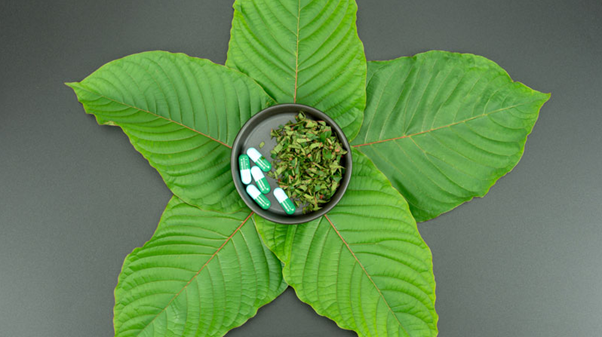
Native to Southeast Asia, particularly famous for its traditional usage in local herbal medicine to cure different ailments, kratom, technically known as Mitragyna Speciosa, is a tropical tree. Depending on the dosage, the chemicals found in the kratom tree’s leaves could either be energizing or relaxing. Because of its dual character, kratom has attracted attention and discussion in the wellness and health scene.
Kratom’s Active Compounds
Kratom’s active alkaloids, namely mitragynine, and 7-hydroxymitragyne, produce its effects. Like caffeine, these alkaloids can increase energy and alertness at smaller dosages. Higher dosages of kratom provide sedative effects, which have been investigated as possible help for opiate withdrawal management and pain alleviation.
Kratom Usage in Pets
When thinking about kratom for dogs, it’s important to realize the somewhat distinct physiological reactions animals have to supplements than people have. Scientists have not conducted very targeted studies on the safety and effectiveness of kratom in animals. Pet owners and vets should thus be very concerned as any possible advantages or hazards are not well-documented.
- Potential Pain Management: Some pet owners use kratom to help their animals with discomfort, especially in cases when conventional drugs are useless or have strong adverse effects.
- Lack of Study: The effects of kratom on animals are not well known in clinical studies; hence, its security and effectiveness are mostly unknown.
- Chance of Toxicity: Pets may find kratom harmful; symptoms include lethargy, agitation, and digestive disturbance. Verification of the safe dose range is lacking.
- Consultation with Veterinarians: Pet owners need to consult with their veterinarians before considering kratom, ensuring any treatment is safe and monitored.

Safety Concerns
The primary concern with helping kratom to pets is the risk of toxicity. The exact toxic dose is unknown, and signs of overdose in animals could potentially include lethargy, agitation, quick heartbeat, and digestive disturbances. The unregulated nature of the kratom market adds another layer of risk, as products may not be consistently pure or may contain other harmful contaminants.
Veterinary Perspectives
Most veterinarians recommend against the use of kratom for pets due to the unknown and possible serious side effects. The American Kratom Association and other entities have noted the healing potentials of kratom but also emphasize caution, particularly regarding its use in non-human animals.
Reliable Use
If a pet owner is regarding kratom, it should only be under the direct supervision of a veterinarian who can monitor for any adverse effects. It’s critical to ensure the kratom is sourced from a respected supplier to confirm purity and the lack of impurities.
Exploring Alternative Therapies for Pets
Herbal Safety in Pet Care
When presenting any new part into your pet’s regimen, especially one as difficult as kratom, comprehending the full spectrum of its effects is important. Herbal treatments can vary widely in their security and effectiveness for different species, highlighting the need for species-specific research and guidelines.
Regulatory Oversight and Quality Control
The kratom market, like many herbal accessory markets, lacks stringent regulatory oversight. This can lead to inconsistencies in product quality and potency, which are critical concerns when considering substances for therapeutic use in pets. Ensuring the kratom used is of high quality and free from contaminants is essential for safety.
Behavioral Changes in Pets
Monitoring your pet’s behavior is necessary when administering any new treatment. Subtle changes in behavior, such as advanced lethargy or irritability, can be early indicators of adverse reactions to kratom or other herbal supplements, warranting immediate consultation with a veterinarian.
Kratom’s use in pets is a topic filled with delays and potential risks. While some pet owners may consider it for pain management, the lack of scientific research and documented safety data makes it a cautious area. Botanical Remedies LLC offers high-quality products that may be safer for human use, but applying the same treatment to pets without thorough veterinary guidance is not advisable. Always prioritize your pet’s health by desiring experienced advice before introducing any new treatments. Choose safe, well-researched options to ensure the well-being of your beloved animals.



Write a comment
Your email address will not be published. All fields are required