Search

Kratom Alkaloids

Kratom Alkaloid Profiles Explained: Why the Numbers Can Differ Between Batches

Kratom Alkaloid Profiles Explained: Why the Numbers Can Differ Between Batches

If you have ever looked at a certificate of analysis for a kratom product, the alkaloid numbers are usually among the first things listed. Two primary alkaloids, mitragynine and 7-hydroxymitragynine, are most commonly measured. These numbers are sometimes used in marketing, but the way they are interpreted is frequently misunderstood. Knowing what alkaloid percentages actually represent, and why those percentages vary between batches, helps buyers make more informed decisions.

What Kratom Alkaloids Are

Kratom leaf contains a range of naturally occurring compounds, with mitragynine being the most abundant. Research has identified at least 54 alkaloids in Mitragyna speciosa leaf material, though most are present in trace quantities. Mitragynine typically represents the largest fraction of alkaloid content, with 7-hydroxymitragynine present in much smaller amounts. Both are believed to be the primary contributors to kratom's documented properties.

These alkaloids are not synthetically added. They are produced by the tree itself as part of its natural chemistry. The concentrations found in any given batch are the result of where the tree was grown, how old the leaves were at harvest, what drying method was used, and how long the material was stored before processing.

Why Batch-to-Batch Numbers Vary

Unlike a pharmaceutical where active ingredient levels are controlled and standardized, kratom is an agricultural product. The alkaloid content of kratom leaf is influenced by multiple factors that change from harvest to harvest. Soil composition, seasonal rainfall, altitude, and the age of the trees all have a documented effect on alkaloid concentrations. A batch harvested during a particularly dry season from a mature tree in one region will likely measure differently from a batch harvested from younger trees in a different growing area, even if both are labeled with the same strain name.

Post-harvest handling also matters. Light exposure and high temperatures during drying have been shown to degrade mitragynine over time. Proper storage after processing is equally relevant. Products that have been warehoused for extended periods may show lower alkaloid readings than freshly processed batches from the same source.

Kratom leaves

Why Published Numbers Should Be Treated as Snapshots

Certificate of analysis data represents a specific moment in the life of a specific batch. The numbers that are published for a product describe what was measured when that sample was tested. They are not a guarantee of what will be found in a different batch from the same vendor, even if the strain name is identical.

This is one of the core reasons why the testing process at Botanical Remedies is conducted on a per-batch basis. As outlined on the quality page, each incoming batch is tested for alkaloid presence and quantity alongside adulterant and safety screening. This approach means the testing reflects the actual material being shipped rather than historical data from an earlier batch.

How Extracts Change the Equation

Where alkaloid concentration becomes more directly measurable and controlled is in extract products. Kratom extracts are produced by concentrating kratom material to increase the alkaloid density per gram. A product labeled as 10% Kratom Extract Powder is formulated so that a specific percentage of the final product weight is composed of mitragynine. This is a different approach from leaf powder, where alkaloid levels reflect whatever the plant produced.

The tradeoff is that extract products require more careful use precisely because the alkaloid levels are more concentrated and more predictable in a measured amount. Understanding this distinction is useful when moving between powder and extract formats.

What This Means Practically

For buyers purchasing kratom powder, treating alkaloid numbers as a general indicator rather than a precise repeatable measurement is the more accurate approach. Comparing the alkaloid percentage of one batch to a different vendor's batch as if both numbers are exactly comparable is not straightforward, because testing methodologies, sample preparation, and batch age all affect results.

What a published certificate of analysis does tell you is that the vendor tested the batch at all, what contaminants were or were not found, and approximately where the alkaloid content fell at the time of testing. That transparency has value even when the numbers are understood as approximations. Vendors who do not publish COAs, or who cannot link a batch number to a specific test result, offer much less to work with.
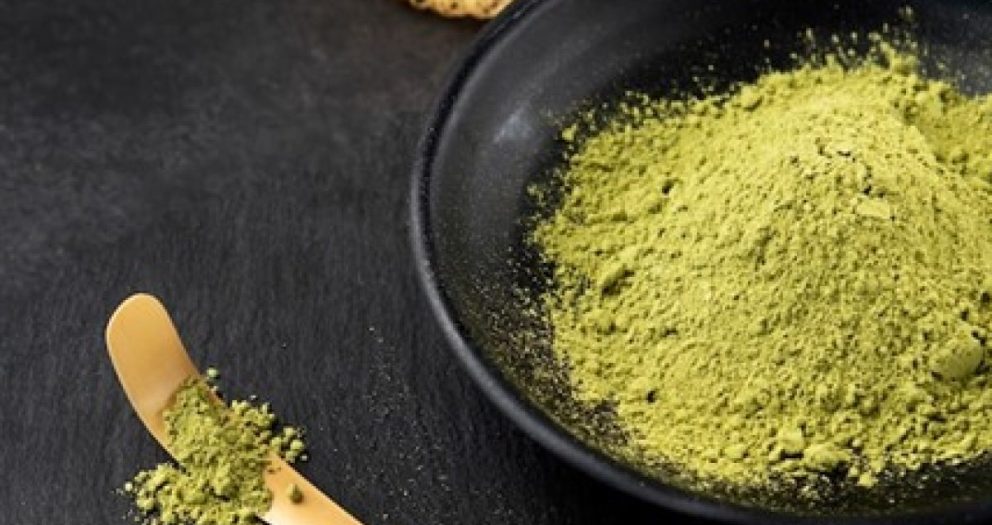
Red Bali kratom powder as part of a kratom variety pack

What Is 7-Hydroxymitragynine and Why Is It Now Regulated in the US

What Is 7-Hydroxymitragynine and Why Is It Now Regulated in the US

There is one compound in kratom that has quietly become the center of a very loud conversation. Researchers talk about it. Regulators have started acting on it. And buyers who purchase kratom products regularly are beginning to ask questions they probably should have been asking sooner.

That compound is 7-hydroxymitragynine. Here is what it actually is, what it does, and why US regulations around it are tightening in 2026.

The Basics: Where Does 7-Hydroxymitragynine Come From

Kratom contains dozens of naturally occurring compounds called alkaloids. Most of them are minor players. Two of them are not.

Mitragynine is the dominant alkaloid, making up roughly 60 to 70 percent of the total alkaloid content in a standard kratom leaf. It is the compound most associated with kratom's stimulating properties at lower doses.

7-hydroxymitragynine is the second major alkaloid. It exists in far smaller concentrations naturally, typically under two percent of the total alkaloid content. Small percentage, outsized impact. That gap between its natural presence and its biological potency is exactly what has drawn so much regulatory attention.

What This Alkaloid Actually Does in the Body

This is where the science gets genuinely interesting.

7-hydroxymitragynine interacts with opioid receptors in the brain, specifically the mu-opioid receptors. Research has suggested it may be significantly more potent than morphine at these receptorsites, despite originating from a plant leaf grown in Southeast Asia.

At naturally occurring concentrations inside kratom powder or kratom capsules, its effects are moderated by the presence of other alkaloids. The full spectrum of compounds in a whole-plant product appears to work in a more balanced way than any single isolated compound.

The concern regulators have focused on is synthetic concentration. When 7-hydroxymitragynine is artificially boosted beyond its natural levels in a product, the risk profile changes considerably.

Kratom Extracts

Why Regulation Has Increased in Recent Years

Several US states began looking closely at kratom extract products that contained elevated, non-natural concentrations of 7-hydroxymitragynine. The primary concerns raised included:

• Dependency risk from products with artificially amplified alkaloid levels • Lack of labeling standards making it difficult for buyers to know what they were consuming • Absence of dosage guidance on products with concentrated alkaloid content

The Kratom Consumer Protection Act (KCPA), adopted in states like Utah, Georgia, and Arizona, directly addresses this. One of its core provisions limits the concentration of 7-hydroxymitragynine in commercial kratom products to no more than one percent of the total alkaloid content. This brings products back in line with natural plant ratios.

That regulation is not a punishment for the kratom industry. It is a quality standard that protects consumers from products that have moved far beyond what the plant naturally produces.


What This Means for Whole-Plant Kratom Products

Here is the part worth understanding clearly.

Naturally processed kratom powder, kratom capsules, and even properly made kratom extracts that stay within natural alkaloid ratios are not the target of these regulations. The concern has always been about artificially spiked products, not about the plant itself.

At Botanical Remedies, our products are sourced directly from Indonesian farms and processed to preserve the natural alkaloid profile of the leaf. Every batch is independently lab-tested. Those results are published as Certificates of Analysis so customers can verify exactly what they are purchasing.

When a COA shows 7-hydroxymitragynine within natural plant ranges, that is confirmation the product has not been manipulated. That transparency matters, especially as regulations continue to evolve.

Conclusion

7-hydroxymitragynine is not inherently dangerous at the concentrations found in quality, naturally processed kratom. The regulatory focus is on concentrated, artificially enhanced versions that exceed what any kratom plant would naturally produce.

Knowing this distinction makes you a sharper buyer. Read lab reports. Check alkaloid percentages. Choose vendors who publish their testing results openly.

Botanical Remedies has built its entire operation around that principle. Transparent sourcing, rigorous testing, and products that reflect the plant as nature produced it, not as a laboratory altered it.

FAQshttps://cdn-klabf.nitrocdn.com/seJppNMEvUCUCAdVGRQxHPrzYOEcrlMh/assets/images/optimized/rev-0918e27/www.botanicalremediesllc.com/wp-content/uploads/2026/04/Red-Bali-kratom-powder-1.jpg

Q1. What is 7-hydroxymitragynine?

It is a naturally occurring alkaloid in kratom that interacts with opioid receptors and contributes to the plant's effects.

Q2. Is 7-hydroxymitragynine more potent than mitragynine?

Yes, research indicates it is significantly more potent per unit despite being present in much smaller natural concentrations.

Q3. Why are regulators concerned about this compound?

Concern centres on products where this alkaloid has been artificially concentrated beyond its natural plant levels.

Q4. What does the Kratom Consumer Protection Act say about it?

The KCPA limits 7-hydroxymitragynine to no more than one percent of total alkaloid content in commercial products.

Q5. Do Botanical Remedies products stay within natural alkaloid ranges?

Yes, all products are independently lab tested and Certificates of Analysis confirm natural alkaloid concentrations.

Read More: How to Read a Kratom Third-Party Lab Report Before You Buy Kratom Tincture Drops: How They Work, Benefits, and How to Use Them Correctly
Back to Top
Product has been added to your cart
Compare (0)